
Reuse involves giving a second life to objects or materials without transforming them or with very minor modifications. Rather than discarding items that could still be useful, reuse aims to put them back into circulation. It is an essential component of the circular economy, which seeks to limit waste production and optimize resource utilization. Valobat’s ambition is to promote a national vision and large-scale action to make reuse a structuring element of the circular economy in the Building sector.

Reuse in the Building Sector
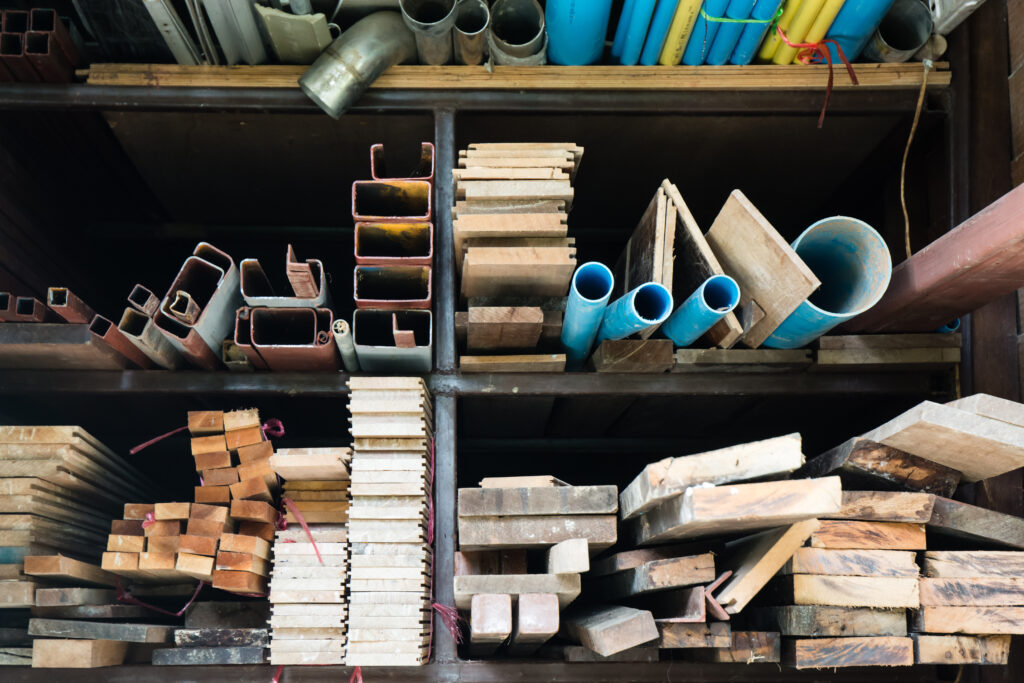
In the building sector, reuse plays a crucial role for several reasons:
- Waste Reduction: During the demolition or renovation of a building, a large quantity of materials is generated. By reusing these materials (such as bricks, beams, windows, or even structural elements), the amount of waste sent to landfills is significantly reduced.
- Preservation of Natural Resources: The production of new materials requires the extraction of natural resources and consumes energy. Reuse helps conserve these resources by avoiding the manufacturing of new materials.
- Value Creation and Local Revitalization: Reusing existing materials fosters the development of a local market for material recovery and valorization, thereby creating new economic opportunities and supporting companies specialized in the renovation or transformation of construction elements.
- Innovation and Aesthetics: Integrating old materials into new constructions adds a unique character and can stimulate innovation in architectural design. This blend of old and modern helps create unique spaces while respecting the environment.
Concrete examples illustrating this approach in the building sector:
- Old Bricks and Stones
When a building is demolished, bricks or stones can be carefully recovered, cleaned, and used in the construction of a new wall, a facade, or even in landscaping. For example, urban rehabilitation projects often incorporate bricks from old constructions to preserve the architectural authenticity of a neighborhood while limiting waste. - Reclaimed Wood
Wood from old buildings (beams, floors, doors) can be repurposed in new projects. It is often used to create decorative or structural elements in modern renovations. Today, homes often feature exposed beams reclaimed from old barns, adding a touch of authenticity and warmth to the interior. - Doors and Windows
Period doors and windows recovered during demolition work are often restored and integrated into new constructions or renovations. These elements not only provide historical character but also help preserve quality materials, preventing their loss. - Metals and Steel Structures
Metal elements, such as stair railings or load-bearing structures, can be recovered and reworked for reuse in other projects. For example, old wrought iron railings can be restored to serve as decoration in new constructions or even transformed into urban furniture (benches, lighting).
In addition to these examples, reuse in the building sector encourages the emergence of networks and companies specializing in the recovery, sorting, and marketing of materials. For instance, several online platforms and associations facilitate connections between construction site owners and reuse professionals, thereby creating a genuine market for recovered materials.
In summary, reuse is part of a sustainable approach, transforming materials destined for disposal into valuable resources. In the building sector, it contributes not only to waste reduction and the preservation of natural resources but also to the creation of an architectural heritage enriched by the history and authenticity of recovered materials.

Eco-design: Definition, Implementation, and Application in Building

Eco-design involves integrating environmental protection from the design stage. Its objective is to reduce the negative environmental impacts of products (i.e., goods or services) throughout their life cycle: from raw material extraction, through manufacturing, distribution, use, and up to end-of-life.
Eco-design is characterized by a holistic view of these environmental impacts. It adopts a multi-stage approach (considering the various phases of the life cycle) and a multi-criteria approach (taking into account material and energy consumption, emissions into the natural environment, and effects on climate and biodiversity).
It aims to minimize resource consumption, limit waste production, and reduce pollutant emissions, while maintaining optimal performance and quality.

How is eco-design implemented?
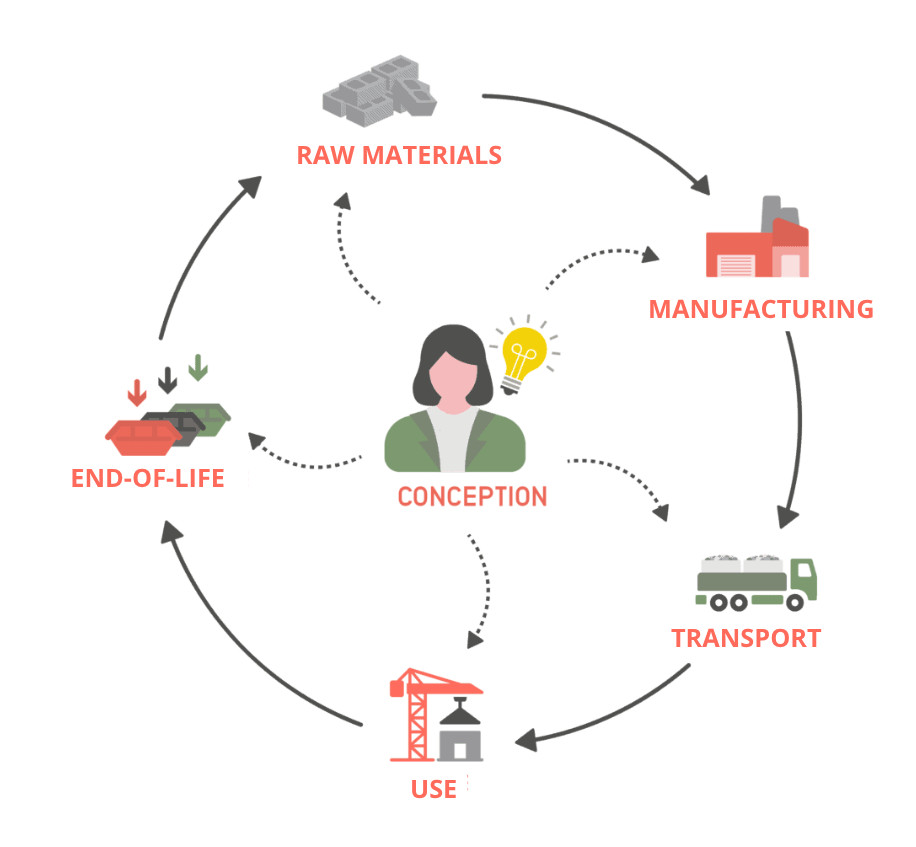
For manufacturers and building professionals, eco-design can be translated into several concrete approaches:
- Life Cycle Assessment (LCA): the evaluation of environmental impacts, from raw material extraction to waste treatment at end-of-life.
- Choice of Responsible Materials: The focus is on using low-impact, recycled, or bio-based materials.
- Design facilitating separability and recycling: products are designed so that materials can be easily separated and recycled.
- Design facilitating disassembly and reuse: Products are designed to be easily disassembled and repairable, which extends their lifespan and optimizes their subsequent valorization.
Optimization of Manufacturing Processes: By improving production techniques, it is possible to reduce the generation of industrial waste from the manufacturing process itself.

Services offered by Valobat in eco-design
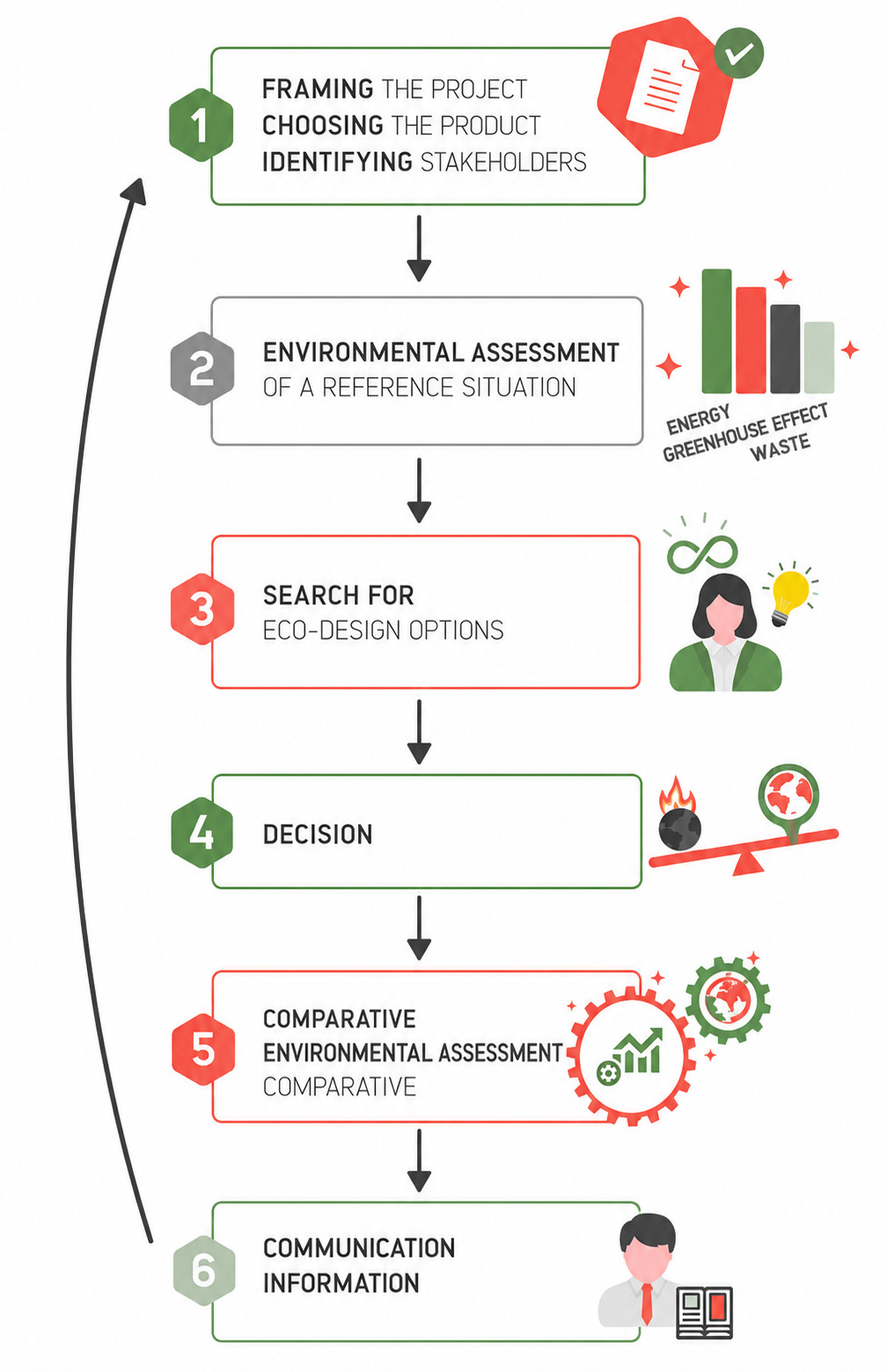
As an eco-organization dedicated to construction products and materials, Valobat does not merely manage end-of-life waste: it also plays a facilitating role in integrating eco-design into the sector. In this capacity, Valobat notably offers:
- Technical and Regulatory Support: Through its resource center, the eco-organization provides manufacturers and professionals with information to address the topic of eco-design. Valobat also provides tools to fulfill regulatory obligations (recyclability tool, aid for prevention and eco-design plans).
- Training and Webinars: To raise awareness and share best practices, Valobat will organize training sessions on eco-design and the circular economy.
- A Global Offer within the framework of Extended Producer Responsibility (ERP): By integrating eco-design challenges into its services, Valobat helps market players design products that generate less waste, promoting
In summary
Eco-design in the building sector aims to reduce the environmental impact of products by rethinking their life cycle, from material selection to end-of-life. Valobat, through its technical support, training tools, and dedicated resources, offers building stakeholders genuine expertise to integrate these principles into their design processes and thus foster a circular economy. This approach not only limits waste production but also optimizes resource utilization and strengthens the competitiveness of companies in an increasingly demanding regulatory context.
Stay connected so you don’t miss any news from the construction industry or updates on our services!
Sign up for the newsletter

